Optimal Timing for Floating Floor Installation
Floating floor installations are influenced by environmental conditions, notably temperature and humidity. Proper timing ensures optimal adhesion, stability, and longevity of the flooring. Installing during periods of stable indoor climate minimizes expansion and contraction issues, reducing the risk of gaps or buckling.
Spring and fall are ideal due to moderate weather conditions, reducing temperature and humidity fluctuations inside the space.
Consistent indoor temperature and humidity levels prevent material expansion or contraction, ensuring a secure fit.
Installing during extreme weather, such as summer heat or winter cold, can compromise the installation process and the floor's performance.
Maintaining indoor humidity between 35-55% and temperature around 65-75°F is recommended before and after installation.
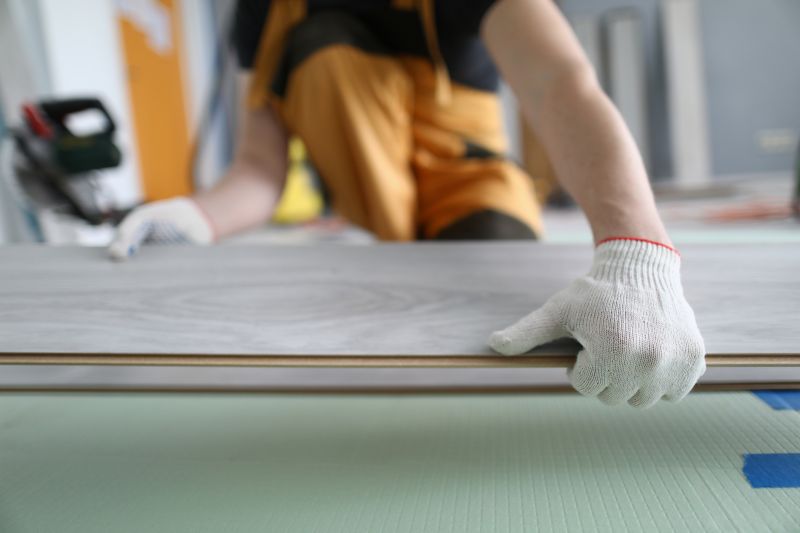
Optimal conditions for floating floor installation.
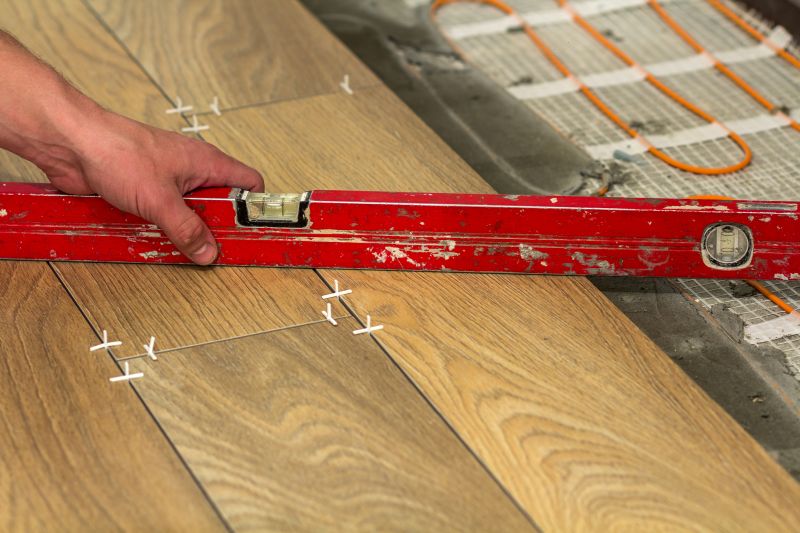
Maintaining stable temperature and humidity levels.
Ensuring proper acclimation before installation.
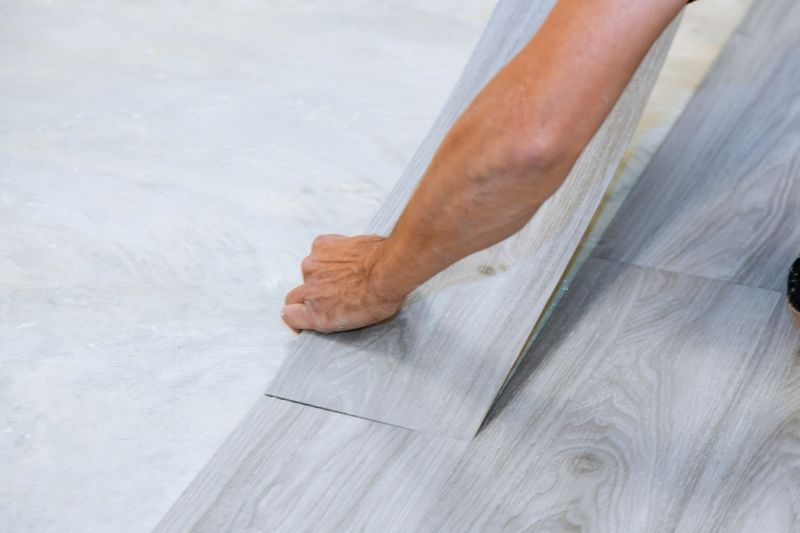
Ways to make Floating Floor Installations work in tight or awkward layouts.
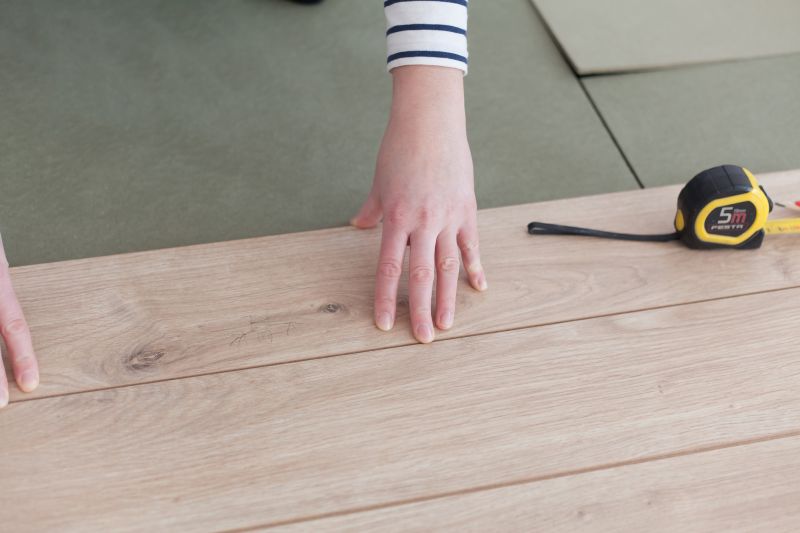
Popular materials for Floating Floor Installations and why they hold up over time.
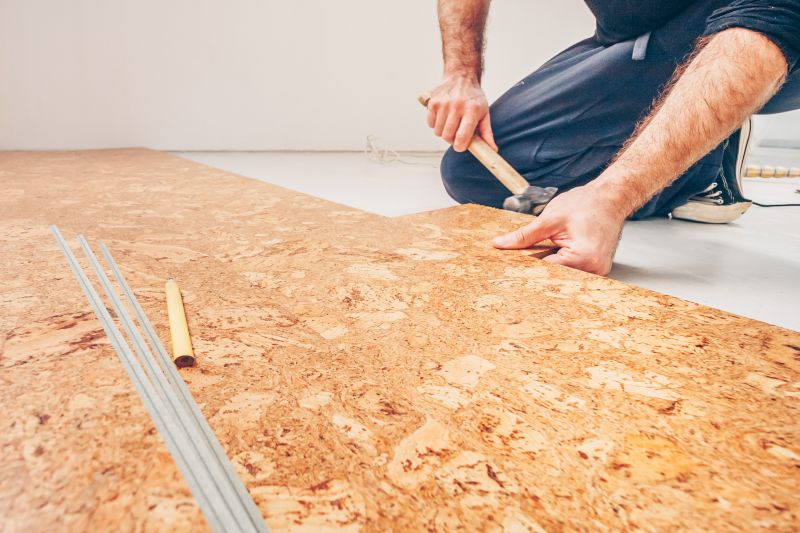
Simple add-ons that improve Floating Floor Installations without blowing the budget.
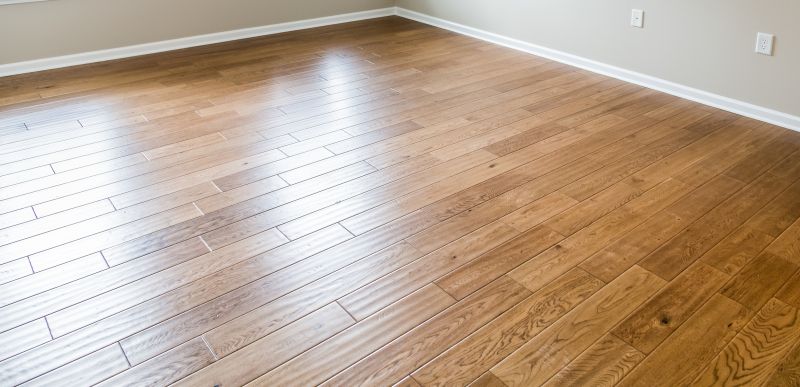
High-end options that actually feel worth it for Floating Floor Installations.
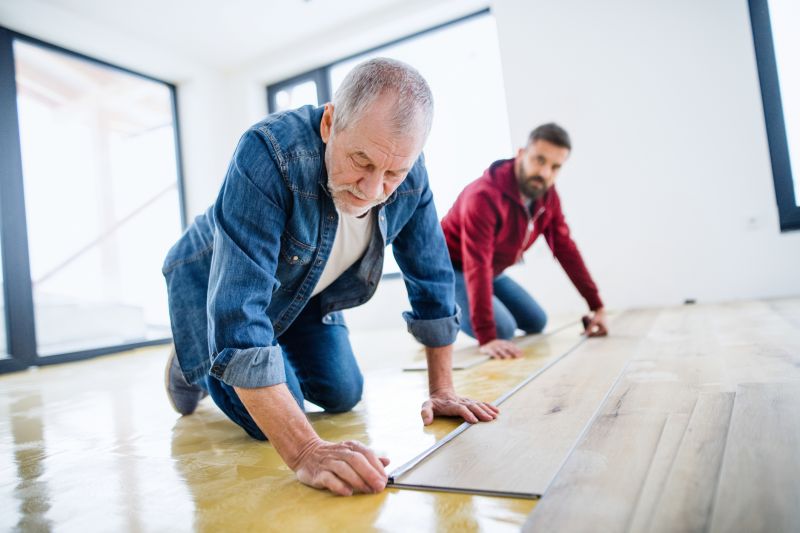
Finishes and colors that play nicely with Floating Floor Installations.
Floating floor installations involve laying flooring materials that are not attached directly to the subfloor, allowing for natural expansion and contraction. This method is popular for its ease of installation and ability to accommodate minor subfloor imperfections. Proper timing, environmental control, and preparation are essential to achieve a durable and visually appealing result.

Allow materials to adjust to indoor conditions before installation.

Use humidifiers or dehumidifiers as needed.

Ensures minimal movement and long-term stability.

Little measurements that prevent headaches on Floating Floor Installations day.

A 60-second routine that keeps Floating Floor Installations looking new.

A frequent mistake in Floating Floor Installations and how to dodge it.
| Timing Consideration | Recommended Practice |
|---|---|
| Season | Install during spring or fall for optimal conditions. |
| Indoor Humidity | Maintain between 35-55% before and after installation. |
| Temperature | Keep indoor temperature stable at 65-75°F. |
| Weather Conditions | Avoid installation during extreme heat or cold. |
| Preparation Time | Allow space to reach stable climate conditions. |
| Material Acclimation | Let flooring materials acclimate for 48-72 hours. |
| Post-Installation Care | Maintain consistent indoor climate for stability. |

Flooring materials adjusting to indoor conditions.
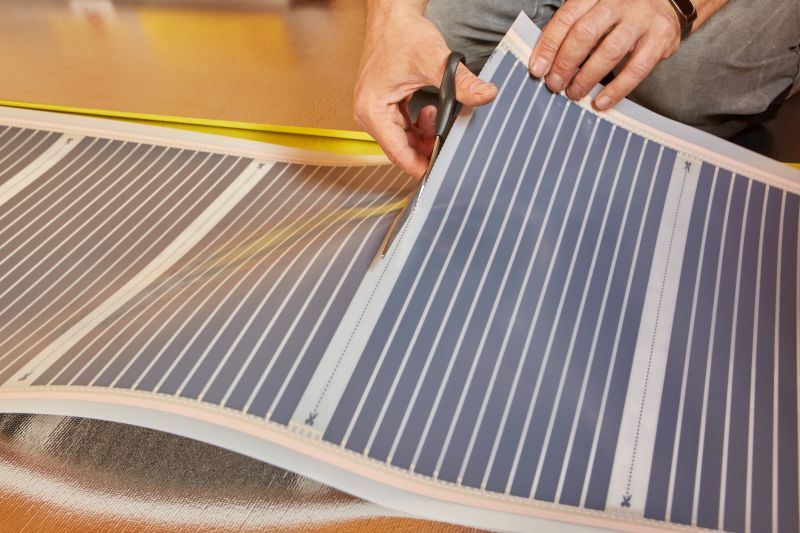
Tools to ensure stable indoor environment.
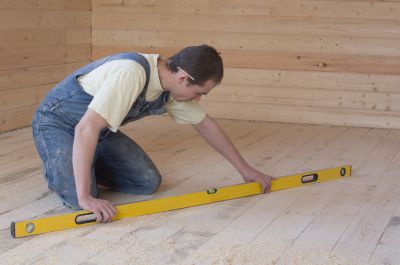
Scheduling during favorable weather conditions.
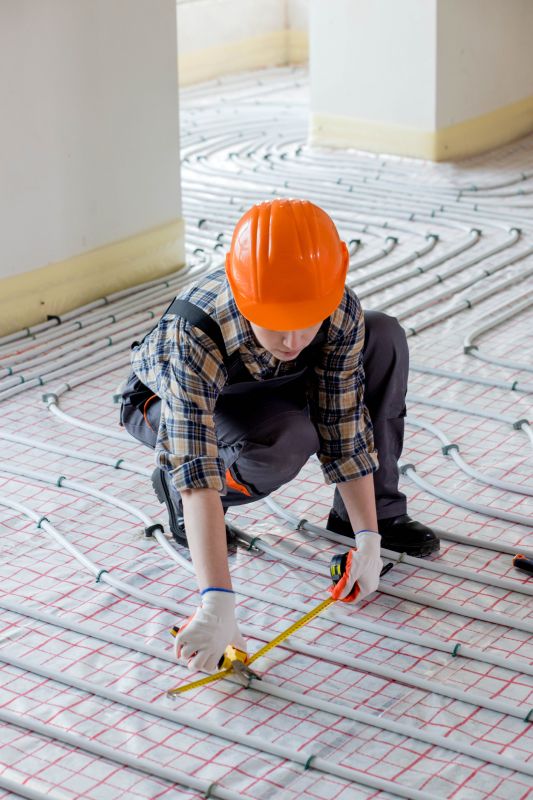
Maintaining stable conditions for durability.
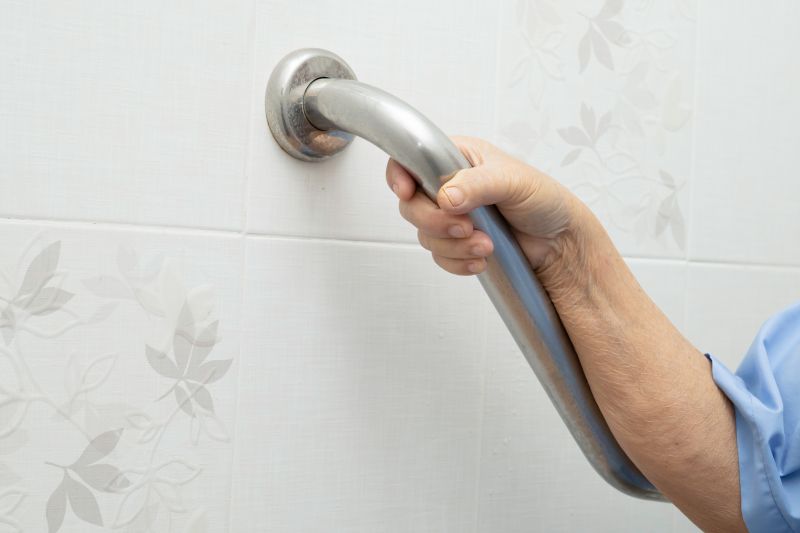
Small tweaks to make Floating Floor Installations safer and easier to use.
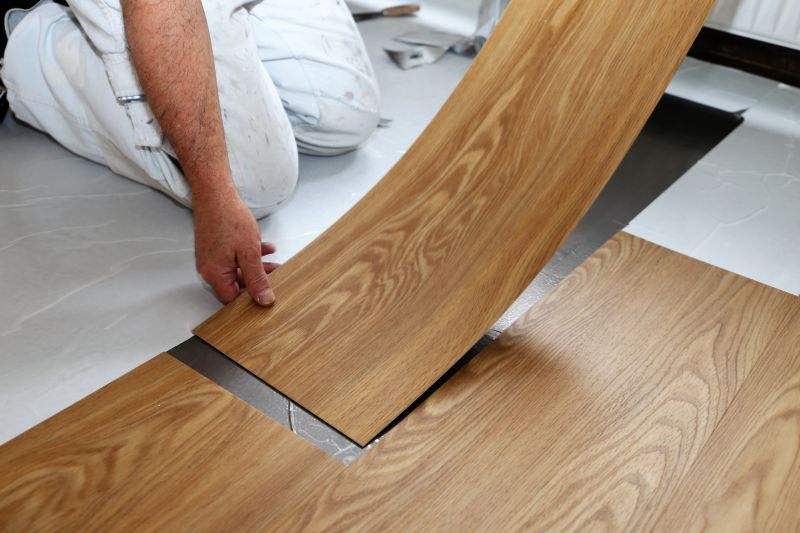
Lower-waste or water-saving choices for Floating Floor Installations.
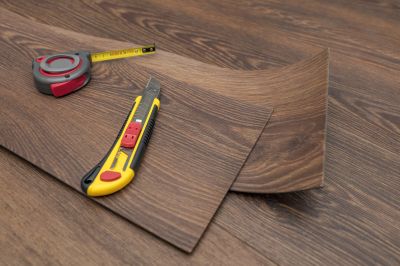
The short, realistic tool list for quality Floating Floor Installations.
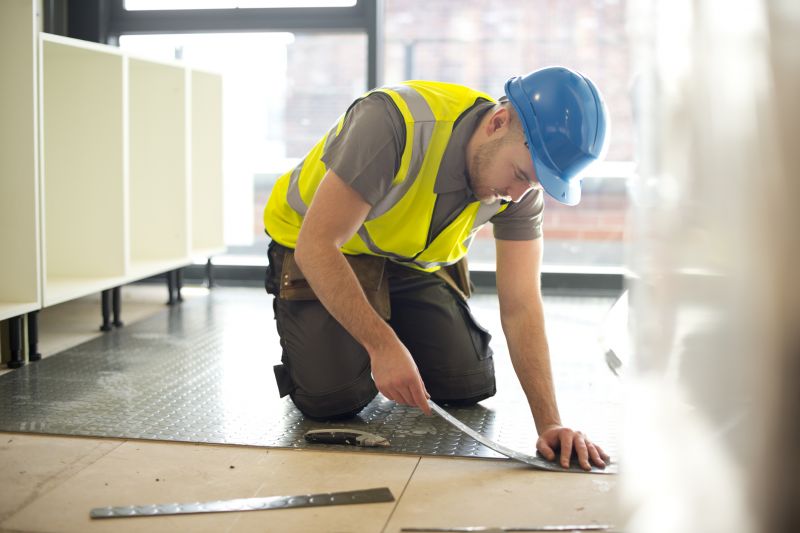
Rough timing from prep to clean-up for Floating Floor Installations.
Selecting the appropriate time for floating floor installation enhances the durability and appearance of the flooring. Proper environmental management minimizes issues related to material movement and ensures a secure, long-lasting finish. Consistent indoor climate control before, during, and after installation is crucial for optimal results.
Interested in professional assistance? Fill out the contact form for more information.