Get Floating Floor Installation in Boulder, CO
Local contractors can help Boulder property owners install floating floors to improve durability, hide uneven subfloors, and update spaces like basements and living rooms.
Floating floor installation is a practical solution for property owners in Boulder, CO seeking to enhance the appearance and functionality of their interior spaces. Whether updating a single room or renovating multiple areas, many property owners explore this option to achieve a seamless, durable surface that can improve comfort and aesthetics. By considering local contractors experienced in floating floor projects, homeowners can compare various approaches and find the right fit for their specific needs, ensuring a smooth planning process.
Exploring floating floor services in Boulder and nearby areas allows property owners to access a range of expertise and solutions tailored to local conditions. From selecting the right materials to understanding installation techniques, comparing options helps ensure the project aligns with individual preferences and property requirements. Continuing to read can provide valuable insights into how experienced service providers can assist in creating a stable, attractive flooring environment for any property.
- Floating Floor Installation - when upgrading a basement in Boulder, CO to achieve a modern, stylish look.
- Floating Floor Installation - for homeowners in neighborhoods like North Boulder seeking quick and easy flooring updates.
- Floating Floor Installation - when replacing worn-out or damaged flooring in commercial spaces across surrounding areas.
- Floating Floor Installation - for those wanting to add a new layer of insulation beneath their existing floor in nearby communities.
- Floating Floor Installation - when installing a floating floor in residential or office spaces to improve comfort and aesthetics.
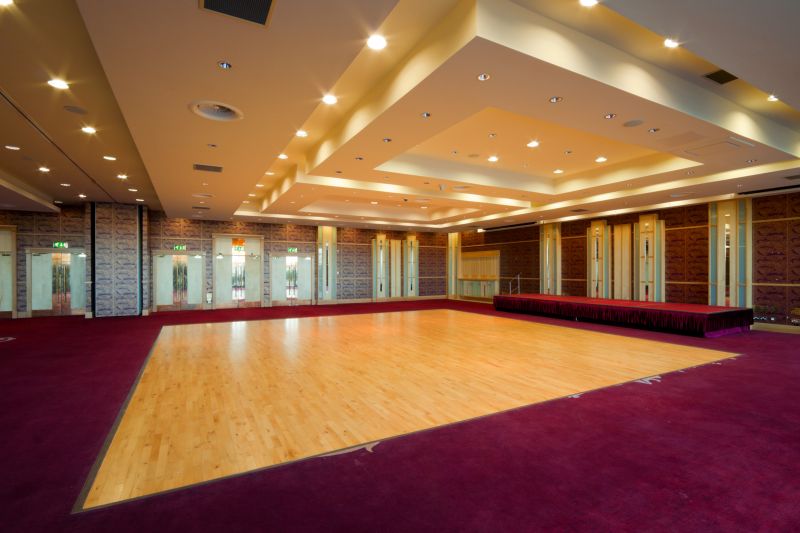
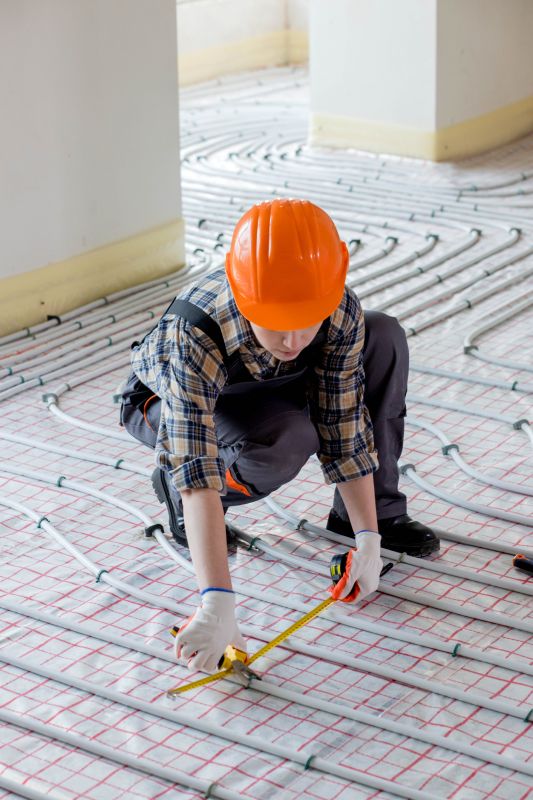

Floating floor installation involves placing a new flooring surface over an existing subfloor without the need for adhesives or nails to secure it to the underlying surface. This method typically uses interlocking planks or tiles that click into place, creating a stable and level surface. The installation process includes preparing the existing floor, laying down an underlayment if necessary, and then carefully fitting the floating flooring components together. This approach allows for a relatively quick and mess-free upgrade to a room’s appearance, making it a popular choice for homeowners seeking a modern, clean look.
One common reason homeowners seek floating floor installation is to address uneven or damaged subfloors that are difficult or costly to repair. It can also help in situations where a quick renovation is desired without extensive demolition. Floating floors are effective at reducing noise and providing added insulation, which can improve comfort in living spaces. Additionally, this type of flooring can help to conceal minor imperfections in the underlying surface, resulting in a smoother, more polished appearance.
Floating floors are versatile and suitable for a wide range of properties, including residential homes, condominiums, and apartments. They are often used in living rooms, bedrooms, basements, and even home offices. Because they can be installed over existing flooring materials such as vinyl, tile, or concrete, they are especially convenient for remodeling projects where removing old flooring might be impractical. This flexibility makes floating floor installation a practical solution for many property owners looking to update their interiors efficiently.
Homeowners who notice issues like creaking, buckling, or uneven flooring may find floating floor installation to be a beneficial solution. It can also be a good option for those wanting to improve the aesthetic appeal of a space or to increase the value of their property. Whether upgrading a single room or renovating multiple areas, local contractors who specialize in floating floor installation can provide guidance on the best materials and methods suited to specific property types. Contacting experienced service providers can help ensure the job is done properly, resulting in a durable and attractive finished surface.
The overview below groups typical Floating Floor Installation projects into broad ranges so you can see how smaller, mid-sized, and larger jobs often compare in Boulder, CO.
In many markets, a large share of routine jobs stays in the lower and middle ranges, while only a smaller percentage of projects moves into the highest bands when the work is more complex or site conditions are harder than average.
Smaller Repairs - Typical costs for minor floating floor repairs in Boulder range from $250 to $600. Many routine fixes, such as replacing damaged planks or fixing loose sections, fall within this range. Fewer projects reach the higher end unless extensive work is needed.
Partial Replacement - Replacing sections of a floating floor usually costs between $600 and $2,000, depending on the size and material. Local contractors often handle these mid-sized projects with most falling in this range, while larger areas or premium materials can push costs higher.
Full Floor Replacement - Complete installation of a new floating floor typically costs from $2,000 to $5,000 or more. Many full replacements are in the middle of this range, but larger or more complex projects, such as multiple rooms or high-end materials, can reach higher prices.
Complex or Custom Projects - Larger, more intricate floating floor installations can exceed $5,000, especially for specialty materials or extensive prep work. These projects are less common and usually involve customized designs or challenging spaces that require additional labor.
Actual totals will depend on details like access to the work area, the scope of the project, and the materials selected, so use these as general starting points rather than exact figures.
Subfloor Preparation - local contractors often handle subfloor leveling and moisture barrier installation, skills that are essential for proper floating floor installation.
Laminate Flooring Installation - professionals experienced in laminate flooring share similar skills in measuring, cutting, and fitting planks for seamless results.
Vinyl Plank Flooring Projects - installing vinyl planks requires precise subfloor assessment and acclimation, which are common practices among flooring service providers.
Flooring Removal and Disposal - removing existing flooring and preparing the space aligns with the planning and site preparation involved in floating floor projects.
Underlayment Installation - applying underlayment for soundproofing and moisture control is a task often performed alongside floating floor setup.
Interior Renovation Projects - general interior upgrades that include flooring work involve similar planning and surface preparation skills used in floating floor installation.
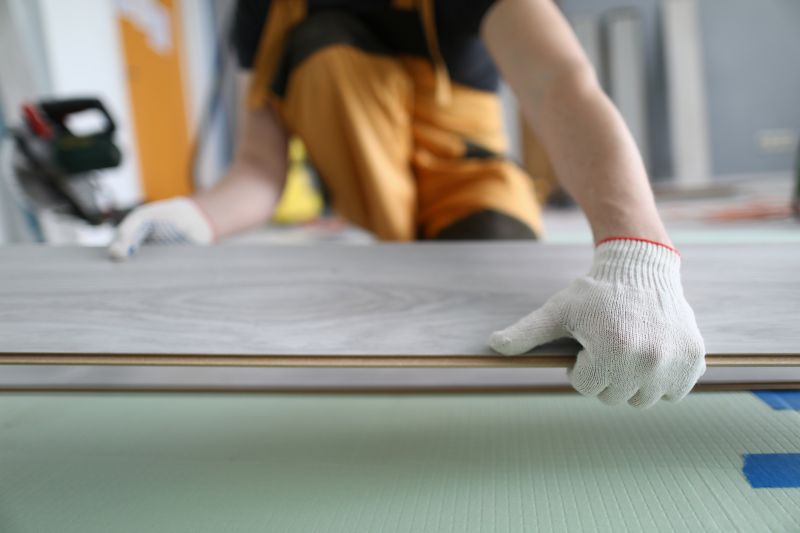
When comparing service providers for floating floor installation, it’s important to consider their experience with similar projects. Homeowners should inquire about the types of flooring they have installed in the past and whether they have worked on projects of comparable size and complexity. A contractor with a proven track record in floating floor installation in Boulder, CO, or nearby areas can offer insights into common challenges and effective solutions, helping to ensure the work aligns with expectations.
Clear, written expectations are essential for a successful project. Homeowners should seek detailed estimates that outline the scope of work, materials to be used, and any specific steps involved in the installation process. Having this information in writing helps prevent misunderstandings and provides a reference point throughout the project. Reputable local contractors typically communicate openly about their processes and are willing to clarify any questions, making sure everyone is aligned before work begins.
Reputable references and strong communication are key factors when choosing a service provider. Homeowners can ask potential contractors for contact information of previous clients or examples of completed projects similar to theirs. Good communication throughout the process-such as responsiveness to questions and clarity about procedures-can make the experience smoother and more predictable. While this site helps connect homeowners with local options, it’s important to evaluate each contractor’s reputation and communication style to find a professional who can meet the specific needs of the project.
Property owners in Boulder, CO use Floating Floor Installation services for practical projects around their homes and businesses. This guide focuses on everyday jobs and straightforward project options.
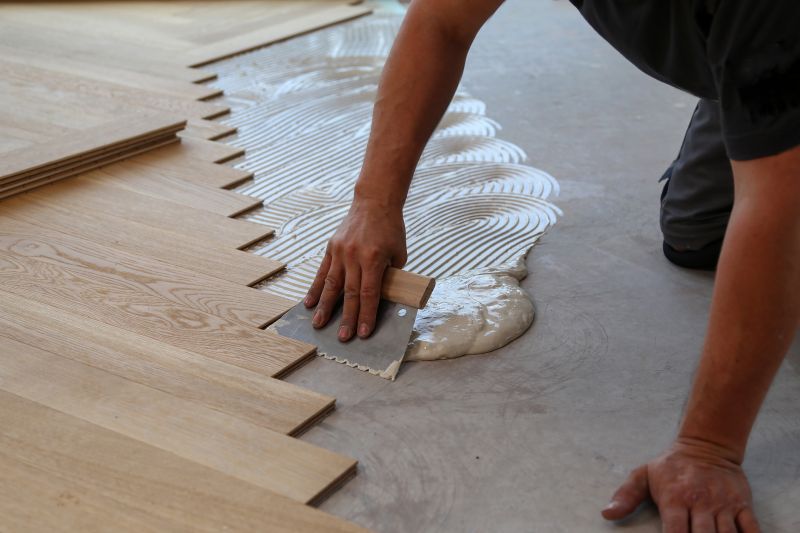
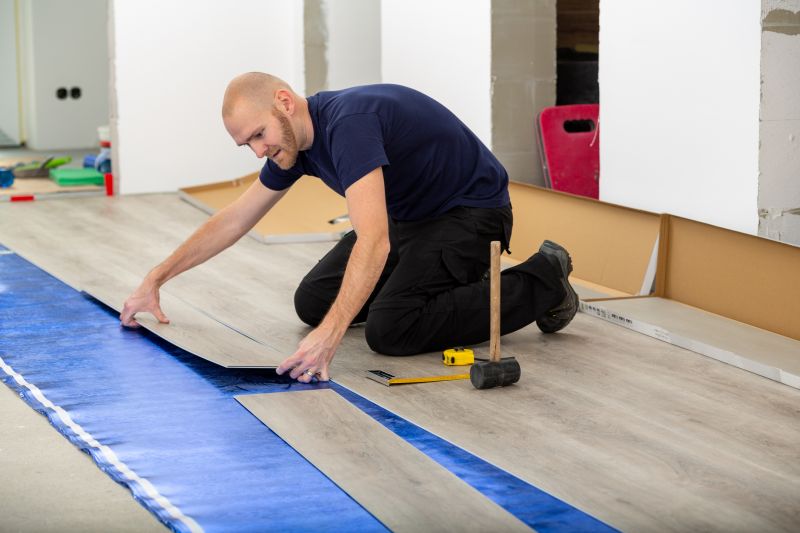
Floating floor installation is a common project for property owners in Boulder, CO, especially when updating a home’s interior or improving comfort underfoot. Homeowners may seek this service when replacing worn-out flooring, creating a more modern look, or addressing uneven subfloors without the need for extensive demolition. Local contractors can help ensure the new flooring is properly installed to withstand daily use, making it a practical choice for busy households and those looking to enhance the aesthetic appeal of living spaces.
In addition, property owners might consider floating floor installation during renovations or when preparing a space for rental or sale. Whether installing in a basement, living room, or office area, local service providers can assist with selecting the right materials and managing the installation process. This service is often chosen for its simplicity and ability to adapt to various room conditions, helping Boulder residents achieve a durable, attractive floor with minimal disruption.
What is floating floor installation? Floating floor installation involves laying a floor surface that is not glued or nailed to the subfloor, allowing for easy installation and removal by local contractors experienced in this method.
Which types of flooring can be installed as floating floors? Common options include laminate, vinyl plank, and engineered wood, all of which can be installed as floating floors by local service providers in Boulder, CO.
Are floating floors suitable for all rooms? Floating floors are versatile and can be used in living rooms, bedrooms, and basements, but local contractors can advise on suitability based on specific room conditions.
What preparation is needed before installing a floating floor? Proper subfloor preparation, such as cleaning and leveling, is essential and can be handled by local flooring installers to ensure a smooth installation process.
How do local contractors handle floating floor installation? Experienced service providers typically measure the space, prepare the subfloor, and install the floating floor panels or planks according to manufacturer instructions and best practices.
Renovating a basement or attic - property owners can consider floating floor installation to create additional living or storage space with a durable, stylish surface.
Upgrading flooring in a home or office - local contractors can help replace worn or outdated floors to improve appearance and functionality.
Preparing a space for new furniture or layout changes - floating floors can provide a stable foundation for rearranging rooms or adding new furnishings.
Creating a comfortable area for hobbies or relaxation - property owners might install floating floors in craft rooms, gyms, or home theaters for a polished look.
If you are thinking about Floating Floor Installation for a property in Boulder, CO, this guide is meant to help you understand the work, the typical project types, and how different options might fit your plans.
When you are ready, you can use the quote form on this page to share a few details about your project. From there, local pros can review the basics and respond with options that match what you have in mind.