Common Mistakes Homeowners Make With DIY Hardwood Floor Installation
Homeowners seeking to avoid common mistakes with DIY hardwood floor installation can benefit from local contractors who offer expert guidance and professional craftsmanship.
Homeowners exploring DIY hardwood floor installation often discover that there are more challenges involved than initially expected. Recognizing common mistakes made during the process can help property owners avoid costly errors and achieve a more polished, durable result. Whether it's choosing the wrong type of wood, improper subfloor preparation, or misjudging installation techniques, these pitfalls can impact the longevity and appearance of the floors. For those in the area considering a hardwood upgrade, understanding these common issues underscores the value of consulting with experienced local contractors who specialize in professional installation services.
Property owners who want to ensure their hardwood floors are installed correctly may find that partnering with local service providers offers practical benefits. Skilled contractors bring expertise to avoid typical DIY mistakes, helping to ensure the project is completed efficiently and to a high standard. Exploring this topic can reveal how professional installation services can save time, reduce frustration, and deliver a finished look that lasts. Keep reading to learn more about the common pitfalls in DIY hardwood floor installation and how local pros can support a successful, long-lasting upgrade.
- Hardwood Floor Installation Services - homeowners considering DIY projects may overlook proper subfloor preparation, which local contractors can expertly handle to prevent future issues.
- Hardwood Floor Installation Services - those unfamiliar with acclimating wood properly might face warping or gaps, a problem experienced and corrected by experienced service providers.
- Hardwood Floor Installation Services - mistakes in measuring and layout can lead to uneven flooring, but local pros ensure precise planning and installation.
- Hardwood Floor Installation Services - improper finishing and sealing are common DIY errors that local contractors can perform to achieve a smooth, durable surface.
- Hardwood Floor Installation Services - homeowners often neglect expansion gaps, which local service providers know how to incorporate for long-term stability.
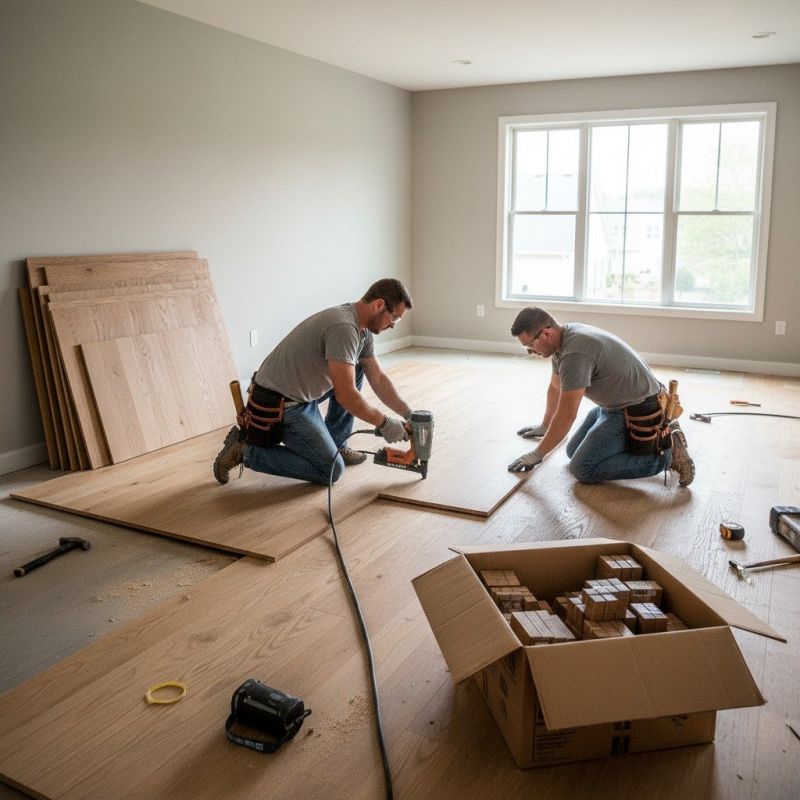
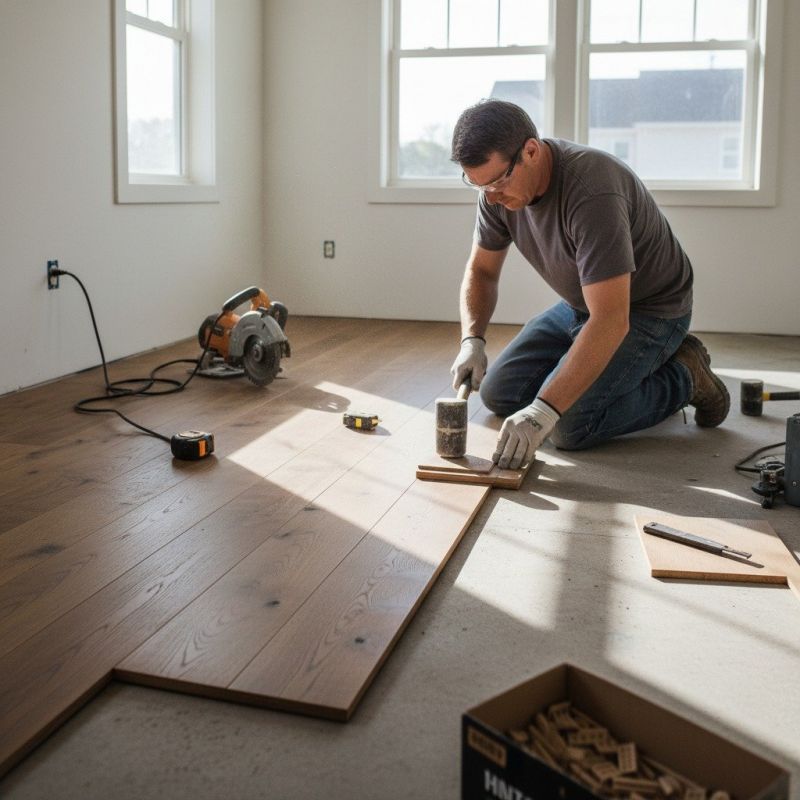

When homeowners search for information about common mistakes with DIY hardwood floor installation, they often mean to understand the pitfalls that can occur when attempting to handle the project without professional help. These searches typically relate to plans for upgrading or renovating a home’s interior, especially in properties where durable, attractive flooring is desired. Many homeowners are motivated by the desire to save money or enjoy a hands-on approach but may lack the experience needed for a flawless installation. As a result, they encounter issues that could have been avoided with proper guidance or expertise, making it essential to recognize the common errors that can arise during DIY projects.
The problems associated with DIY hardwood floor installation often involve issues like improper subfloor preparation, incorrect acclimation of the wood, and poor installation techniques. These mistakes can lead to uneven surfaces, gaps, buckling, or even premature damage to the flooring. Such issues are especially common in properties that have existing uneven or poorly maintained subfloors, which require careful assessment before installation. Homeowners planning these projects may also be unaware of the importance of proper expansion gaps, moisture barriers, or the right tools needed for a clean, professional-looking finish. Understanding these potential problems highlights the importance of working with experienced service providers who can ensure the job is done correctly from start to finish.
The types of properties where these issues frequently come up include older homes with uneven subfloors or inconsistent flooring conditions, as well as newer constructions where proper installation techniques are often overlooked. Residential properties ranging from single-family homes to multi-unit buildings are common candidates for DIY hardwood flooring projects. These projects often involve living spaces such as living rooms, bedrooms, or hallways, where aesthetics and durability are important. Homeowners may also attempt to install hardwood in areas with high moisture levels, like basements or kitchens, without the necessary precautions, leading to costly mistakes. Recognizing the property types most affected by these errors underscores the value of consulting local contractors who can adapt their approach to each unique space.
Ultimately, understanding common mistakes with DIY hardwood floor installation helps homeowners see how working with experienced local service providers can prevent costly errors and achieve a professional result. These professionals bring expertise in assessing property conditions, selecting appropriate materials, and applying proper installation techniques. By connecting with local contractors, homeowners can ensure their flooring projects are executed correctly, reducing the risk of issues like warping, gaps, or uneven surfaces. This approach not only saves time and money but also provides peace of mind that the finished floor will look great and perform well over time.
Subfloor Preparation - proper subfloor preparation is essential for hardwood flooring, and local contractors experienced in subfloor assessment can help prevent installation mistakes that lead to uneven surfaces.
Measuring and Layout Planning - accurate measuring and planning ensure the flooring fits properly and reduces waste, a skill often shared by professionals specializing in flooring projects.
Acclimation and Moisture Testing - professionals can assist with acclimating hardwood planks and testing moisture levels to avoid warping and buckling after installation.
Proper Tool Use and Techniques - using the right tools and techniques is crucial, and local service providers can handle the job with expertise, reducing errors common in DIY projects.
Edge and Seam Finishing - achieving seamless edges and proper finishing details requires skill, which local contractors can provide to ensure a polished look.
Installation Pattern and Design - planning and executing complex patterns or layouts is a skill often found in experienced flooring specialists, helping to avoid costly mistakes.
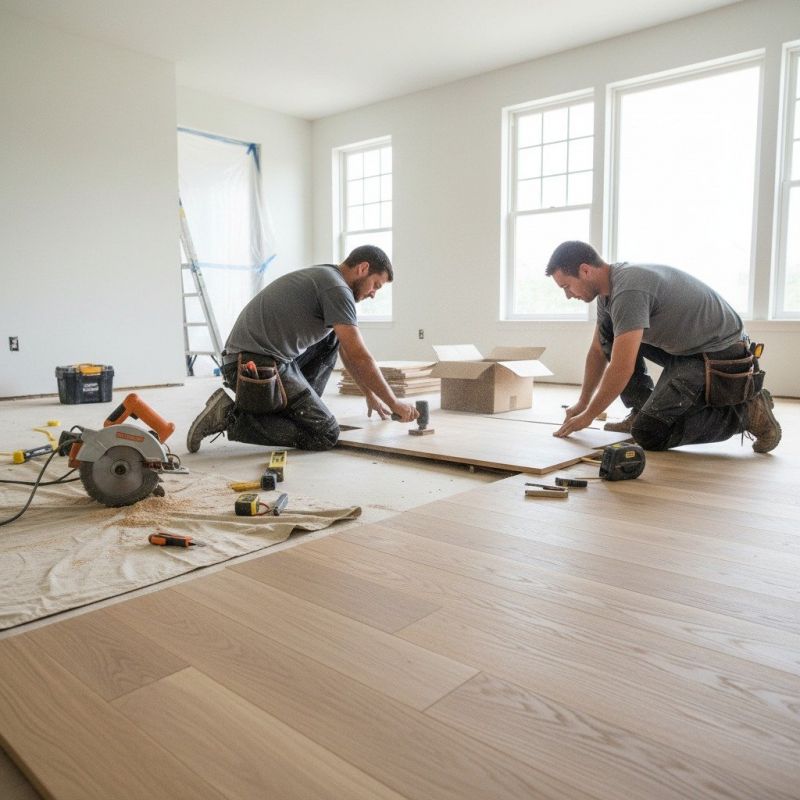
When comparing local contractors for hardwood floor installation, it’s important to consider their experience with similar projects. Homeowners should look for service providers who have a proven track record of successfully completing hardwood flooring installations comparable to the scope and style desired. An experienced contractor is more likely to be familiar with common pitfalls associated with DIY hardwood floor installation, such as improper subfloor preparation or incorrect acclimation of the wood, which can lead to long-term issues. Verifying a contractor’s background with previous projects can help ensure that they possess the practical knowledge needed to deliver quality results and avoid common mistakes.
Clear written expectations are essential when evaluating local service providers. Homeowners should seek detailed proposals that outline the scope of work, materials to be used, and the projected timeline. This helps prevent misunderstandings that can lead to costly errors or unmet expectations. Service providers who communicate their process clearly and provide comprehensive estimates demonstrate professionalism and transparency, making it easier for homeowners to understand what to expect. Establishing these expectations upfront can also help identify potential issues early, reducing the risk of common mistakes associated with DIY installation, such as improper installation techniques or overlooked preparatory steps.
Reputable references and good communication are key factors when choosing local contractors for hardwood floor installation. Homeowners should ask for references from previous clients who had similar work done and inquire about their satisfaction with the results. Reliable service providers are often transparent about their past projects and willing to share contacts for references. Additionally, good communication throughout the project ensures that homeowners can ask questions, express concerns, and receive updates, which helps prevent misunderstandings and mistakes. Clear, ongoing dialogue allows homeowners to stay informed and involved, reducing the likelihood of common errors that stem from miscommunication or lack of guidance during the installation process.
Property owners often search for common mistakes homeowners make with DIY hardwood floor installation when they are planning practical projects around their homes and businesses. Local pros provide Hardwood Floor Installation services for everyday jobs and straightforward project options.

Many homeowners attempting DIY hardwood floor installation often overlook the importance of proper subfloor preparation. Failing to ensure the surface is level, clean, and dry can lead to issues like uneven flooring, gaps, and buckling down the line. These mistakes are common in everyday project situations, especially when homeowners underestimate the complexity of preparing a stable foundation. Local contractors who specialize in hardwood flooring can assess and prepare the subfloor correctly, helping to avoid problems that might arise from inadequate surface preparation.
Another frequent mistake involves improper acclimation of the hardwood planks before installation. Wood is sensitive to changes in humidity and temperature, and not allowing flooring materials to acclimate properly can cause warping, gaps, or buckling after installation. Homeowners often rush this step or are unaware of its importance, which can compromise the longevity and appearance of the floor. Engaging with experienced service providers ensures that the hardwood is properly conditioned to the environment, resulting in a smoother installation process and a more durable finished product.
What is a common mistake homeowners make when preparing subflooring for hardwood installation? Many homeowners overlook the importance of ensuring the subfloor is properly leveled and clean, which can lead to uneven floors and damage. Professional service providers can assess and prepare the subfloor to prevent these issues.
Why is choosing the wrong type of hardwood flooring a mistake during DIY installation? Selecting an inappropriate hardwood type for the home's environment or usage can cause warping or damage. Local contractors can recommend suitable options based on specific conditions and ensure proper installation.
How does improper acclimation of hardwood planks affect installation? Failing to acclimate hardwood planks to the indoor environment can result in expansion or contraction after installation, leading to gaps or buckling. Experienced pros know how to properly acclimate materials before installation.
What mistake is often made with the installation process itself? Rushing or neglecting to follow manufacturer instructions can cause issues like improper nailing or gluing, which compromise the floor’s stability. Skilled service providers follow best practices to ensure a durable, high-quality result.
Why is neglecting to leave expansion gaps a common mistake? Not leaving adequate expansion gaps around the perimeter can cause the floor to buckle as it expands. Local contractors ensure these gaps are correctly placed and finished for a professional look and long-term performance.
Skipping proper subfloor preparation - ensuring the subfloor is clean, level, and dry is essential; local contractors can assess and prepare the area to prevent future issues.
Ignoring acclimation of hardwood planks - allowing flooring materials to adjust to indoor conditions helps prevent warping or gaps, a service local pros can facilitate.
Using incorrect adhesive or fasteners - selecting the right installation materials is crucial, and experienced service providers can recommend suitable options for each project.
Neglecting expansion gaps - leaving appropriate space around the perimeter allows for wood movement, which local contractors can incorporate into the installation process.
If you are thinking about common mistakes homeowners make with DIY hardwood floor installation for a property, this guide is meant to help you understand this topic, the typical project types, and how different options might fit your plans.
When you are ready, you can use the quote form on this page to share a few details about your project. From there, local pros can review the basics and follow up with options that match what you have in mind.